
BCC Resource Hub
The Benefit Cliffs Coaching Hub is the central home for tools, learning, and connection designed to support practitioners implementing the BCC Toolkit. The online resource library provides open-source access to the self-paced curriculum and all downloadable tools referenced throughout the toolkit. Practitioners can access worksheets, visual templates, planning guides, and companion materials in formats designed for real-world use—including print-friendly and low-bandwidth options. The Hub ensures that the knowledge and tools behind Benefit Cliffs Coaching remain accessible, adaptable, and continuously updated.
Benefit Cliffs Coaching ToolKit
The Benefit Cliffs Coaching Toolkit is designed to support practitioners who guide individuals and families navigating the complex intersections of income, public benefits, and pathways…
Visual Data Summary
The Visual Data Summary is a coaching tool designed to help participants clearly understand how wages, public benefits, and total household resources work together when…
Economic Mobility Readiness Survey
The Economic Mobility Readiness Survey is a coaching tool designed to help practitioners better understand a participant’s current readiness for economic mobility by exploring two…
Economic Mobility Shared Language Guide
The Economic Mobility Shared Language Guide is a practical reference tool designed to help participants, coaches, and practitioners build a common language for navigating benefits,…
Questions for Understanding & Processing Guide
The Questions for Understanding & Processing Guide is a coaching companion designed to help practitioners and participants stay aligned during complex conversations about benefits, employment,…
Grounding Tool
The 5-4-3-2-1 Grounding Tool is a trauma-informed regulation practice designed to support participants during moments of overwhelm, anxiety, fear, or emotional activation. In Family-Centered Coaching,…
Coaching Reflection for Emotional Load Moments
The Coaching Reflection for Emotional Load Moments tool is a trauma-informed practitioner support resource designed to help coaches process and learn from sessions that carry…
Goal Planning Tool
The Goal Planning Tool is a collaborative, trauma-informed planning framework that helps practitioners and participants move from stability toward possibility while navigating benefits, income changes,…
Continuity of Care Plan
The Continuity of Care Plan is a proactive stability tool designed to help participants maintain momentum as income increases, benefits change, or contact with coaching…
Mindset Reframe
The Mindset Reframe Worksheet is a trauma-informed reflection tool designed to help participants shift from fear-based thinking to possibility-centered action. In Family-Centered Coaching, limiting beliefs—especially…
Bridge Solutions Toolkit
The Bridge Solutions Toolkit is a trauma-informed stabilization resource designed to help participants navigate short-term disruptions without losing long-term momentum. When hours are cut, childcare…
Nervous System Check-In
The Nervous System Check-In is a trauma-informed practitioner prompt guide designed to support emotional safety, regulation, and readiness for learning within Family-Centered Coaching sessions. Because…
Reflective Supervision Guide
The Reflective Supervision Guide is a structured, trauma-informed framework designed to create protected space for practitioners to process emotional load, strengthen professional judgment, and translate…
Young Adult Ecosystem
The Young Adult Ecosystem tool is a visual, strengths-based mapping guide designed to help young adults identify key areas of support that influence stability and…
Coaching Scripts
The Coaching Scripts – Practitioner Guide is a structured dialogue resource designed to support early-stage readiness conversations with participants who are questioning the long-term sustainability…
Benefit Cliffs Visual Map
The Benefit Cliffs Visual Map is a practical, participant-friendly planning tool designed to make income and benefit tradeoffs visible and understandable. Rather than relying solely…
Quick Peer Check-Ins
The Quick Peer Check-Ins tool is a structured, trauma-informed reflection guide designed to help coaches decompress, process emotional load, and strengthen their practitioner voice through…
Trauma-Informed Scripts
The Trauma-Informed Scripts tool is a practical language guide designed to help practitioners reduce shame, restore agency, and build emotional safety during high-stakes coaching conversations.…
Tool Assessing & Brainstorming
A Practical Guide for Case Managers and Human Services Professionals This tool is designed to help case managers, human service professionals, and supervisors guide participants…
Coaching Up Close: Building Capacity for Family-Centered Coaching Through a Community of Practice
Angela Hood- Beaugard, Executive Director and Jessica Kitchner, Operations Manager at Flint & Genesee County Literacy Network shared their experience building capacity across a network using…
Coaching Up Close: Inspiring Essential Buy-in for Family-Centered Coaching
Kevin Lewis, Deputy Executive Director & Assistant Vice President of Resident Services at The NHP Foundation, under which Operation Pathways operates, shared his experience on…

Coaching Up Close: Adopting Family-Centered Coaching Across a Larger Organization
Shelly Jarrett, Staff Development Coordinator for Maricopa County Human Services Department, shared her experience on how she adapted Family-Centered Coaching within her large county-wide organization.…
Coaching Up Close: Shifting Power to the Participant Through Family-Centered Coaching
Melissa Hall Sommer, Vice President and Talia Frye, Vice President at Brighton Center shared their experience using Family-Centered Coaching to support how they shift power to…

Coaching Up Close: Deepening Racial Equity through Family-Centered Coaching
Luecendia Reed, Director of Family Support Services at New Moms, shared her experience with Family-Centered as a practice to deepen racial equity. “Family-Centered Coaching really…
Coaching Up Close: Developing Funding to Support Family-Centered Coaching
Laureen Atkins, Vice President- Strategic Initiatives at The Literacy Cooperative, shared her experience with integrating Family-Centered Coaching that support holistic care. ”In order for us…
Coaching Up Close: Implementing Family-Centered Coaching Through a Culture of Feedback
Dana Emanuel, Director of Innovation at New Moms, shared her experience with integrating Family-Centered Coaching by cultivating a culture of continuous feedback. “The FCC mindset…
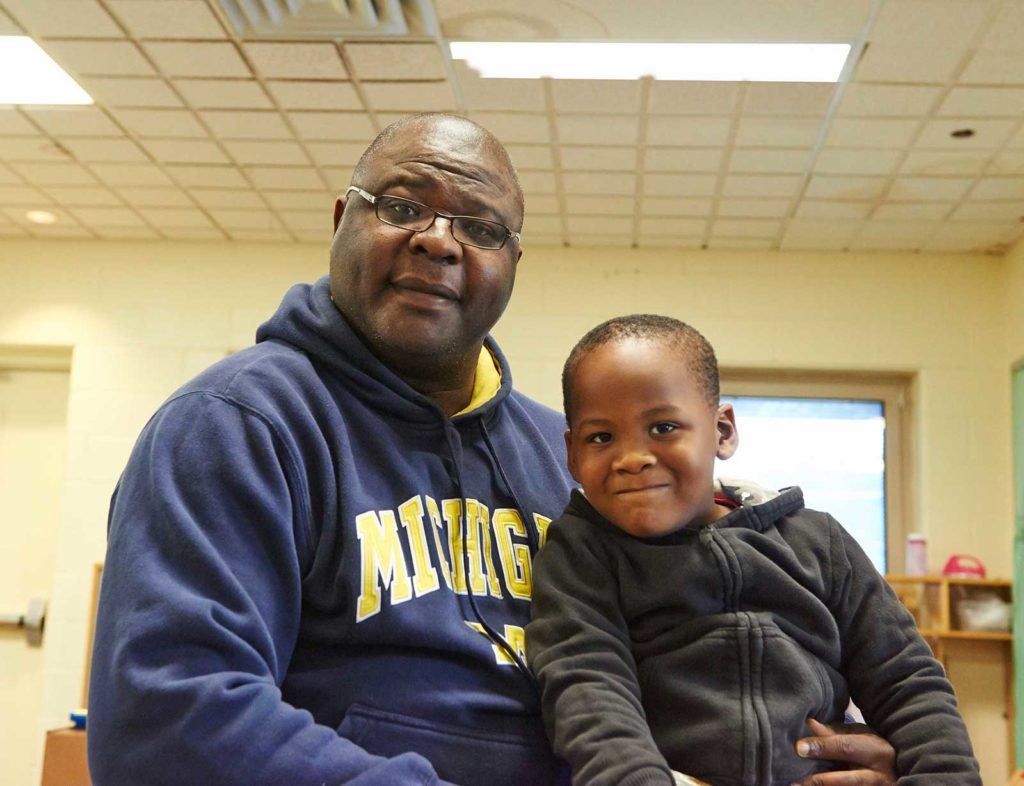
Family-Centered Coaching Overview
Family-Centered Coaching is a set of strategies, tools, and resources that help human service organizations reinvent how they engage with families experiencing poverty. Family-Centered Coaching…
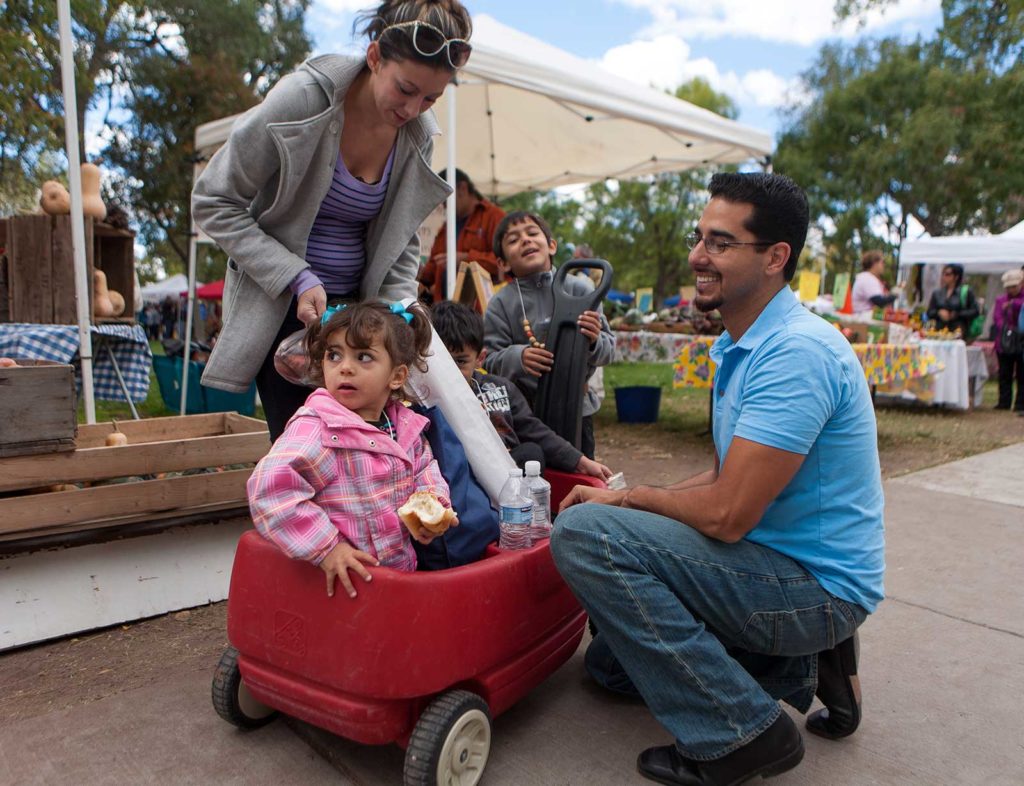
Coaches, Parents, Participants, and Families Defined
Family-Centered Coaching is built on the premise that participants are capable, resourceful, and creative. Coaches build relationships and create space for families to build awareness,…
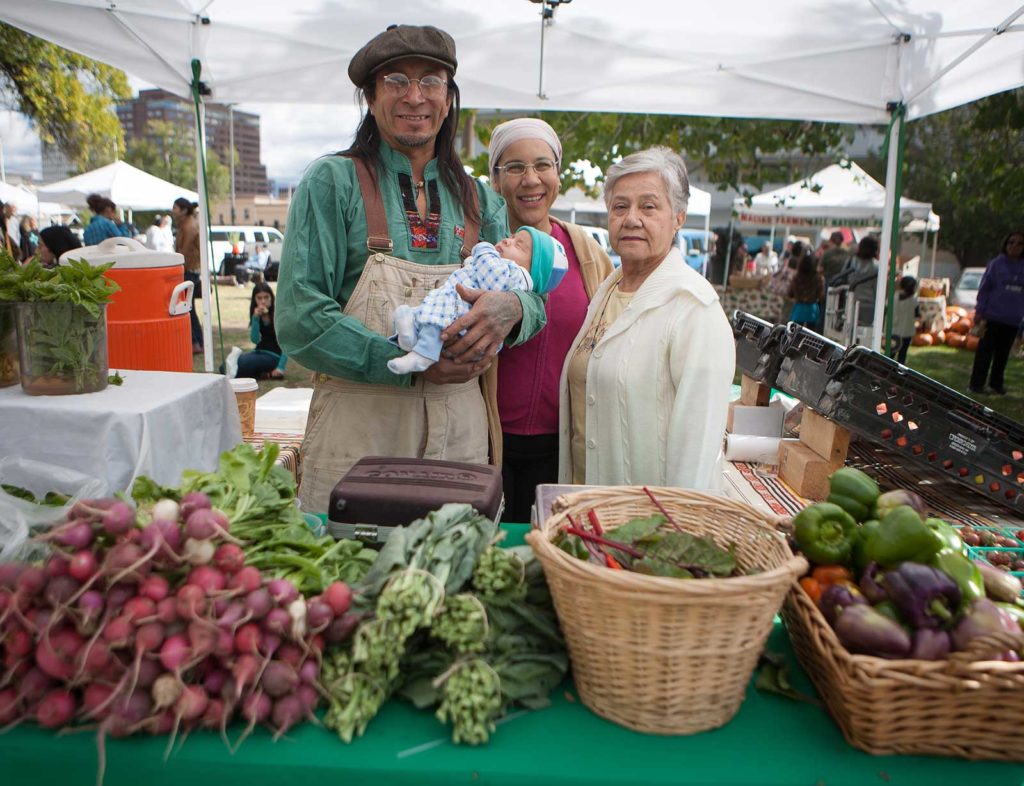
Family-Centered Coaching Principles
The following principles emerged from successful efforts partnering with participants in Family-Centered Coaching. Full-Family Focus Coaches address the interests of all members in a family,…
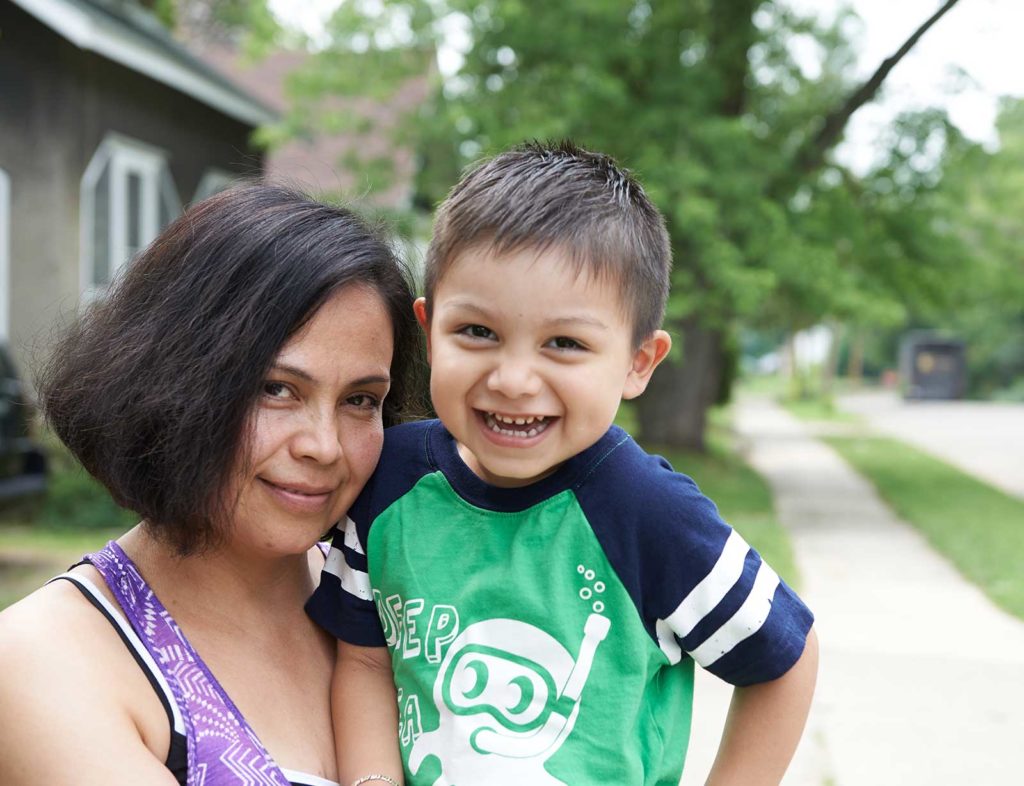
Practice Trauma-Informed Care in Family-Centered Coaching
Family-Centered Coaching is designed with a trauma-informed care lens to support families who have experienced or are experiencing trauma. Trauma is often thought of as…
Foster Executive Skills through Family-Centered Coaching
Executive skills help people set goals to achieve the results they desire. All of us have differing strengths and challenges related to our executive skills.…

Family-Centered Coaching FAQ
Welcome to our FAQ! These are the frequently asked questions we often receive about Family-Centered Coaching. If you don’t see your question answered here, please…
Weave Behavioral Economics into Family-Centered Coaching
Why do people continue to smoke despite research telling us it is harmful? Why do people reach for sweets when they are stressed? Behavioral economics…

W. K. Kellogg Foundation: Introducing Family-Centered Coaching
Dear Colleagues: The W.K. Kellogg Foundation (The Kellogg Foundation) is pleased to introduce the Family-Centered Coaching Toolkit, a new set of resources that supports parents…
The Prosperity Agenda: Launching Family-Centered Coaching
Dear Colleagues, Today more than ever, we need solutions that translate into real economic stability for families struggling to move up and out of poverty.…

Family-Centered Coaching Toolkit (August 2017)
The original Family-Centered Coaching Toolkit was released in August 2017 with the launch of Family-Centered Coaching. The Prosperity Agenda provides these resources as the designated national…
Six Steps to Family-Centered Coaching (August 2017)
The Six Steps to Family-Centered Coaching was released in August 2017 with the launch of Family-Centered Coaching. The Prosperity Agenda provides these resources as the designated…

Why Our Mindsets Matter
A mindset is a mental attitude or tendency that goes beyond an ordinary belief. Mindsets influence how we see ourselves, how we view others, and…
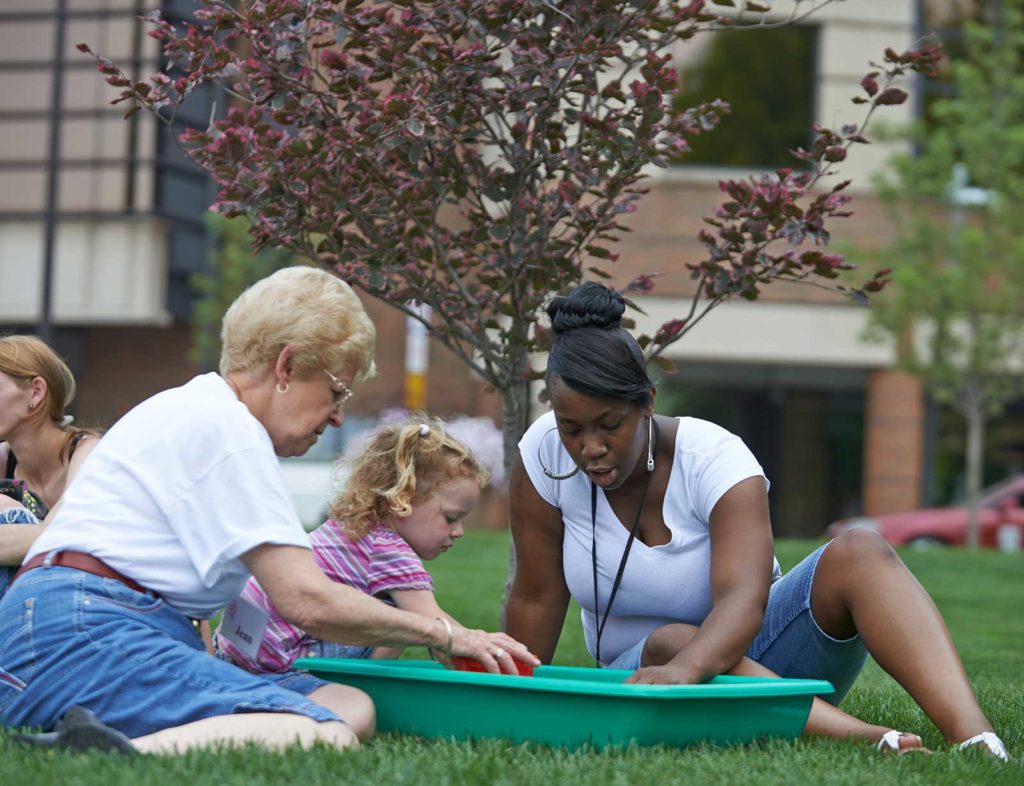
Developing a Family-Centered Coaching Mindset in Your Organization
Many organizations are more familiar with directing participants, delivering services, and relying on staff expertise to solve problems or address issues. Through a Family-Centered Coaching…

Working Toward Racial Equity in Family-Centered Coaching
Family-Centered Coaching recognizes that equity is integral to the process of coaching as well as a necessary outcome to work towards. When coaches understand the…
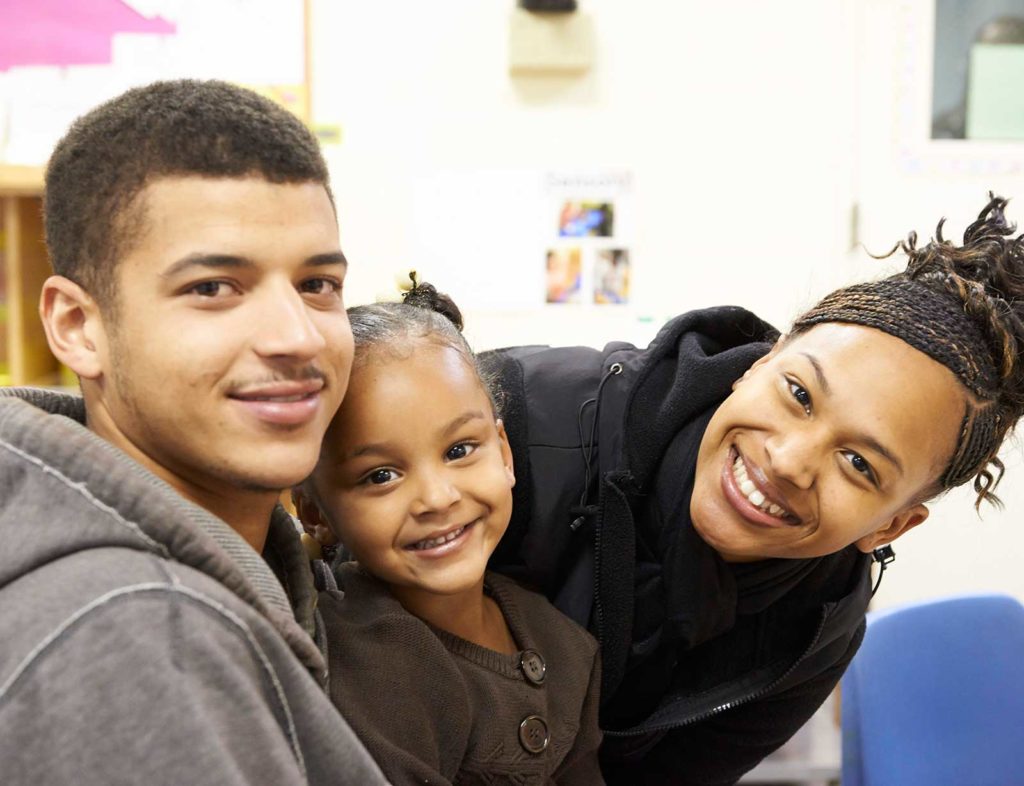
Core Four Family-Centered Coaching Skills
The four core coaching skills of Family-Centered Coaching build on each other to create a space to build stronger relationships with participants based on trust…

Situational Family-Centered Coaching Skills
Key situational coaching skills maintain mutual accountability and foster progress within Family-Centered Coaching. Situational Coaching Skill: Acknowledging Coaches use the skill of Acknowledging to reflect…
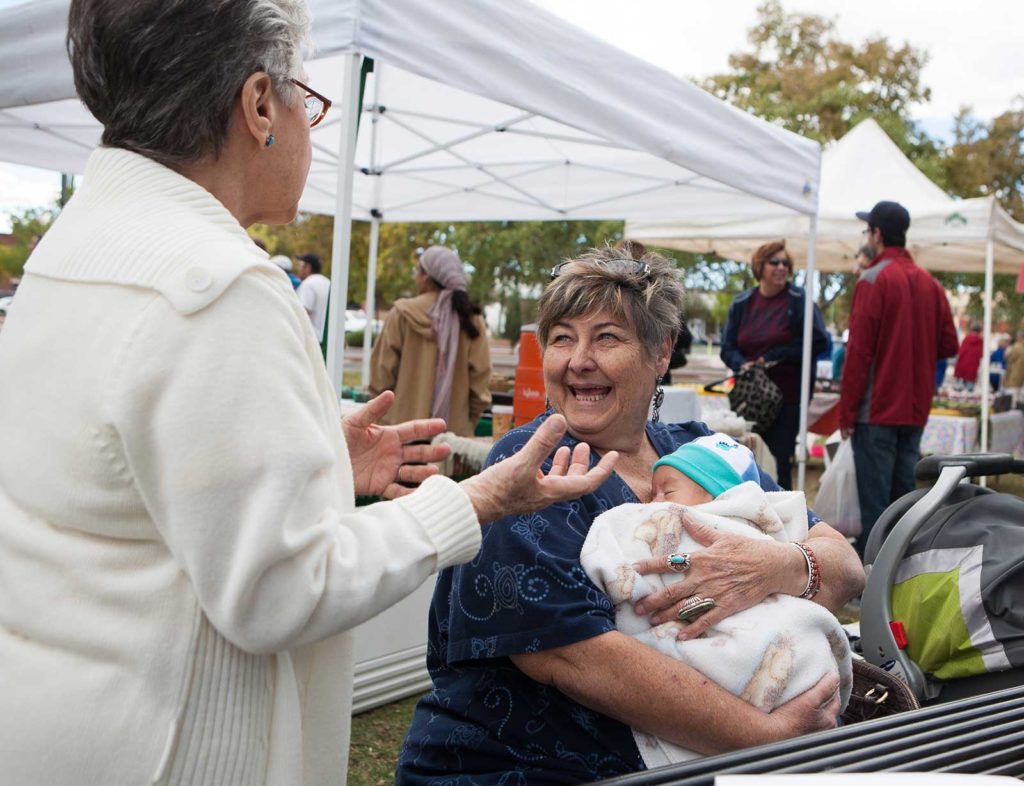
Self Care and Management
Self-management and self-care go hand-in-hand in creating an environment for coaches and participants to partner with respect. Self Management Coaches believe deeply that participants have…
Tool: Ready to Coach Checklist
This checklist is a simple reminder of quick and easy things you can do to calm your mind, set an intention for the meeting, and…
Tool: Everyday Strategies for Working with Families
This resource takes into account the things you can do as a coach to help reduce the impact of stress and trauma experienced by families,…
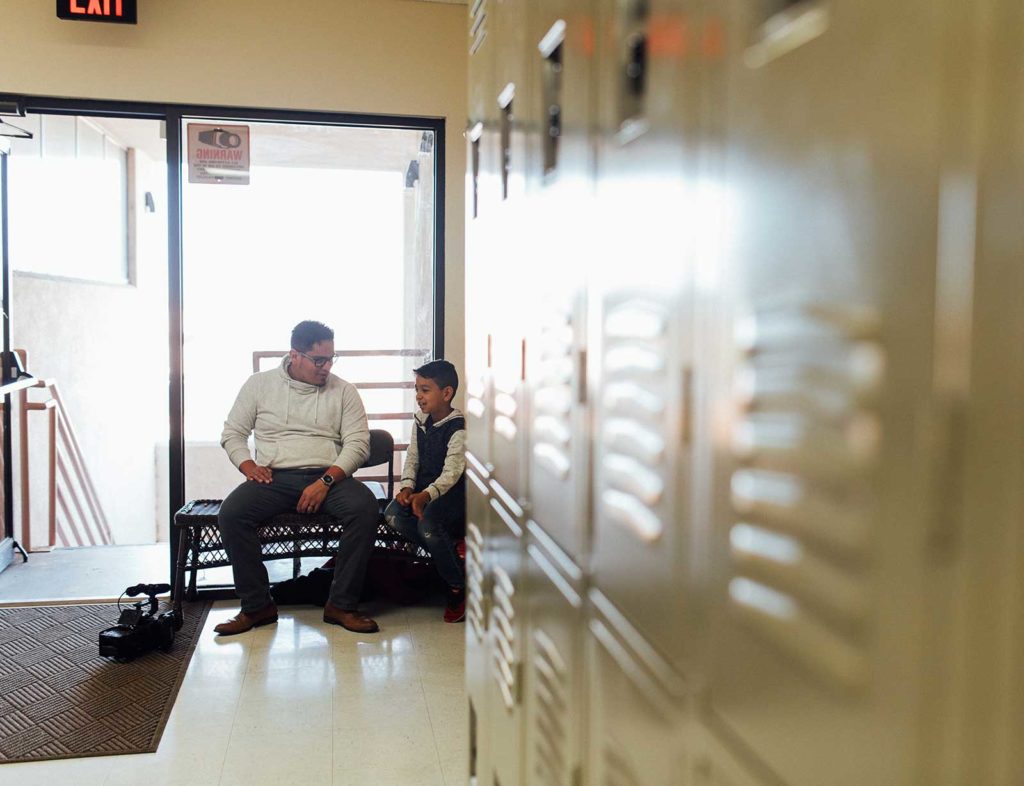
Build a Relationship For Coaching
The first time you meet with participants is an opportunity to start your relationship on equal footing. These steps can help you and the participant…
Tool: Who Is In My Family?
This tool helps you get to know a parent and how they define their family, and to begin to identify family strengths. You can use…
Tool: My Hopes and Dreams
This tool is used in conjunction with the tool Who Is in My Family? Once you have a sense of the family, you can more…
Fluidity of Approach
Identifying when to use each approach is one of the central skills of Family-Centered Coaching. It is critical to talk with participants about the different…
Family-Centered Coaching Approaches
The Approach Wheel highlights three major approaches to working with families: case management, readiness assessment, and goal-setting. Coaches and participants may decide to switch approaches…
When to Engage in Case Management
When a participant or one of their family members is in crisis, it is very difficult to work on or even think about setting goals.…

When to Engage in Discovery (Readiness Assessment)
Readiness Assessments are being used successfully with participants across the country to help families move ahead. A key component of is Motivational Interviewing, “a counseling…
When to Engage in Goal Setting & Practice
With a goal setting approach, coaches and participants identify and take steps to reach goals that support family well-being. Goal setting is most effective when…
Tool: Roles a Coach Can Play
This tool supports the Family-Centered Coaching principles of transparency and collaboration. By being transparent about the different roles a coach can play, you keep the…
Tool: What Does It Sound Like When Coaches Use FCC Approaches?
This tool is helpful for training purposes as it helps clarify language used by the coach when playing each of the three roles, and how…
Tool: The Roles of Participants and Coaches in Family-Centered Coaching
This tool outlines Family-Centered Coaching from the perspectives of the parent and coach. At every step of Family-Centered Coaching, the parent remains in the driver’s…
The Stages of Change
The Stages of Change identify the emotional and psychological states many people go through when making a change in their lives. Use the stages of…
Tool: Listening For Participant’s Readiness to Change
Review this tool before meeting with a parent to help you listen for words and phrases that identify their readiness for change. Think about what…

Holding the Participant’s Agenda
Coaches take steps to ensure that they focus solely on holding the participant’s agenda rather than their own. Central to this focus is how coaches…
Tool: The Wheel Of Life
This tool explores a family’s overall well-being, prioritize areas of life to work on, and set initial goals. Parents can use The Wheel of Life…
Template: Developing a Local Resource Guide
Our thanks to LIFT-DC for the basis of this template that allows you to include resources for basic needs, education and training providers, childcare, and…
Tool: Coaching on Basic Needs: Food, Housing, Transportation, Safety
This tool provides guidance and information on why this topic is important and general tips and advice for coaching on this topic, including how to…
Tool: Coaching on Employment, Education, and Career Areas of Life
This tool provides guidance and information on why this topic is important and general tips and advice for coaching on this topic, including how to…
Tool: Coaching on Child Well-Being and Parenting Areas of Life
This tool provides guidance and information on why this topic is important and general tips and advice for coaching on this topic, including how to…
Tool: Coaching on Financial Areas of Life
This tool provides guidance and information on why this topic is important and general tips and advice for coaching on this topic, including how to…
Tool: Coaching on Health and Well-Being Areas of Life
This tool provides guidance and information on why this topic is important and general tips and advice for coaching on this topic, including how to…
Tool: Coaching on Family, Friendship, & Other Relationship Areas of Life
This tool provides guidance and information on why this topic is important and general tips and advice for coaching on this topic, including how to…
Tool: Coaching On Legal Areas of Life
This tool provides guidance and information on why this topic is important and general tips and advice for coaching on this topic, including how to…
The Practice of Goals
People often set goals based on the results they way to see. For example, someone might set a goal to purchase a car, go back…
Tool: Plan, Do, Review
Use this tool to help participants make specific plans to take steps and practice their self-defined goals. Participants and coaches can also use the tool…
Tool: Family-Focused Powerful Questions
This set of questions can be used to help you assess the role of family members and where some of them might be on the…

Supervise A Coaching Team
For coaches to fully implement Family-Centered Coaching, they need the support of their organizations–and perhaps more importantly, the support of their direct supervisor. Family-Centered Coaching…
Tool: Hiring Coaching-Inclined People
Hiring for coaching skills makes both onboarding and transitioning to coaching easier. While anyone can learn to coach, people who are inclined toward empathy, humility,…
Tool: Who Is In My Circle?
The role of a coach requires respect and empathy for the families they serve–as well as a fluid approach. It also calls for self-awareness and…
Tool: Coaching Performance Self Assessment
Job performance measures can sometimes create unintended consequences, misaligned incentives, or conflicts with coaching practices. Use this tool to embed Family-Centered Coaching principles into your…
Tool: Coaching Confidence Survey
The Coaching Confidence Survey is a reflective tool designed to help coaches assess their application of Family-Centered Coaching (FCC). This resource allows them to identify…
Tool: Strength of Coaching Relationship Survey
Participant experience is one of the earliest measurable indicators of program engagement. LIFT, a nonprofit dedicated to helping people exit poverty, found engaged participants made…
Assessment: What Are Your Organization’s Coaching Strengths?
These questions will help you identify coaching strengths in your organizational culture, operations, accessibility, and approach with participants. Invite staff from different parts of your…
Assessment: What Are Your Organization’s Family-Centered Strengths?
Use this assessment to determine how to best ensure your coaching practices are family-centered. This includes assessing how staff are currently working with participants: Do…
Tool: What Does it Take to Move Toward Family-Centered Coaching?
After you have completed and discussed the results of the Family-Centered Coaching assessments, use this tool to determine steps your organization can take to move…
Tool: Finding Coaching-Inclined Funders
Whether you are having a conversation with a new or current funder or Program Officer, or re-imagining an existing funding relationship, use this tool to…
Tool: Funding Coaching-Inclined Organizations
Note: This tool is intended for staff in foundations or other organizations that provide funding to community-based human services. Whether you are having a conversation…
Assessing Organizational Readiness & Creating Partnerships (2017)
The original Assessing Organizational Readiness & Creating Partnerships guide was released in August 2017 with the launch of Family-Centered Coaching. The Prosperity Agenda provides these resources…
Assessment: What Are Your Organization’s Need for Family-Centered Partnerships?
Implementing Family-Centered Coaching requires deep knowledge in a range of subject areas. Many organizations will need to partner with other community-based organization to fully meet…
Tool: Success-Driven Program Development
Use this step-by-step tool to apply a coaching mindset to guide your program improvements. Choose one track to guide your program improvement efforts. Each track…
Tool: Checklist for Developing FCC Partnerships
Use this step-by-step tool to develop Family-Centered Coaching partnerships. These are questions and considerations will help you decide whether you are developing a referral relationship…
The Prosperity Agenda provides these resources as the designated national administrator of Family-Centered Coaching.